


























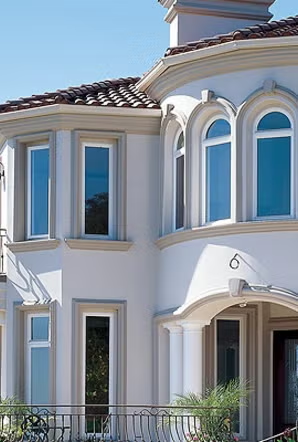


If your windows are warped, stained with watermarks, and full of cracks that allow cold air to enter in the winter, it’s time to replace your windows.
While several factors will influence your window replacement decisions, one of the most crucial factors is knowing when to replace them. Choosing the best time to replace your windows can contribute to a quick, convenient, and affordable installation.
So, when is the best time to replace windows? Follow along to find out everything you need to know about timing your window installation.
Factors to Consider When Replacing Windows
Whether you’ve decided to replace your windows to update your living room decor or prevent the heat from escaping from your home, it’s important to know when to replace windows in your home because you'll get better results when you plan the installation right.
Importance of Timing
Timing is everything when it comes to your window replacement process. After all, the time of year affects everything from pricing to installation speed. Even the weather outside can influence the installation, as it can disrupt the inside temperature of your home and cause delays and setbacks.
If you’re asking yourself, “when is the best time to buy new windows?” determine when prices fluctuate, when contractors are in high demand, and whether the forecast may impact the installation.
When you time your window replacement well, you can find better deals, work with top contractors, and finish your project faster. You might even cut down on heating and cooling costs by replacing drafty windows before extreme weather hits.
Seasonal Considerations
When deciding the best time to buy window replacements, keep seasonal considerations in mind. For example, what is the average temperature during that time of year? And do you need to worry about rain or snow? If the weather is poor, this can be challenging to maintain with the exposed openings that occur while an old window is removed and a new one installed in its place.
Warm, dry weather is ideal for window installation because it creates the best conditions for the materials to properly set and cure. However, you want to avoid temperatures that are too warm, as they can make your home uncomfortably hot during the installation.
On the other hand, freezing temperatures, rain, frost, and snow can also impede the installation process, negatively impacting the adhesion and even causing materials to contract. This, paired with the gusts of cold air and moisture that can enter your home during the process, makes cold and wet seasons less favorable times for this kind of home renovation.
Because weather conditions can influence your installation timeline, it’s best to begin planning and searching for windows around three to six months before your preferred installation date. This provides you with plenty of time to compare options, receive quotes, choose the ideal installation month, and select a contractor before the busy season.
Budgeting for Window Replacement
Sometimes, the answer to the question, “when is the best time to replace windows?” is whenever you’re in a good financial position to take on this endeavor.
Crunch some numbers to determine your price range and then pinpoint the kinds of windows that fall within your budget. For instance, vinyl windows tend to be the most cost-efficient choice. Also, take into consideration other factors that could impact the price, such as promos and the availability of local contractors.
Overview of Window Types
Finally, you’ll want to be familiar with the available window types so you can begin planning what you want to buy and when. How do you choose the right windows? Start by exploring the many different styles available, such as single hung, double hung, casement, awning, and picture. Next, familiarize yourself with the materials, including the vinyl, fiberglass, and aluminum frame options. Also, be sure to consider other features, like cost, energy efficiency, and durability.
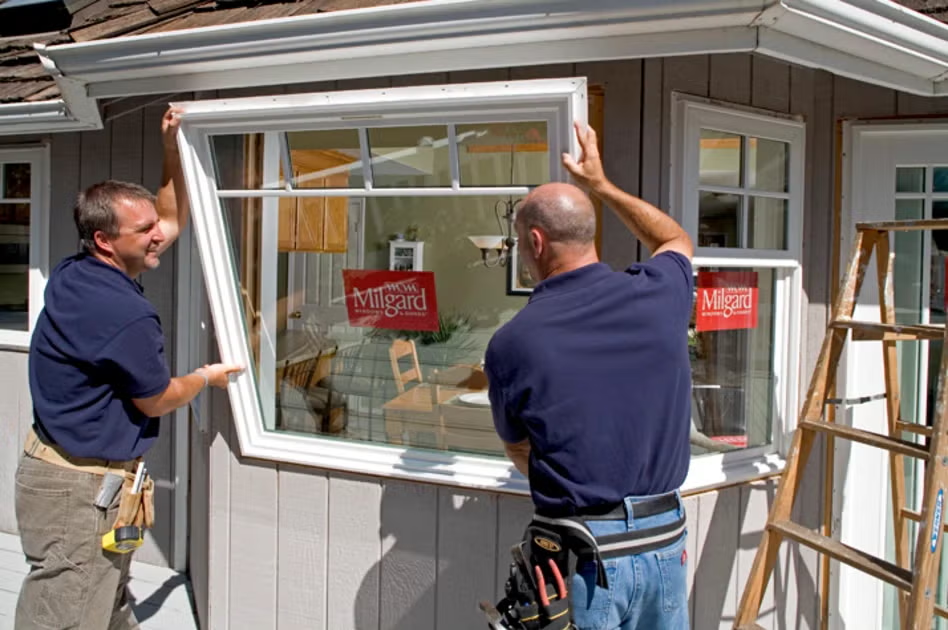
When Is the Best Time to Buy Replacement Windows?
While it’s generally possible to replace your windows at any point during the year, some times are more favorable than others.
Optimal Seasons for Installation
As discussed, the best time to replace your windows is when the weather is not too hot and not too cold. You also want to try to avoid times of the year that receive a lot of rain or snow. With that in mind, late spring and early fall tend to be ideal times to schedule an installation.
If it’s not too warm, summer can be an appropriate time as well, but it’s important to note that the summer months are often some of the busiest times for contractors. Busier times may mean higher rates and more difficulty finding available contractors.
For those living in the Pacific Northwest, the rainy season, which runs from October through April, can cause complications during the installation. Therefore, we recommend scheduling your installation during the drier months: July through September. As for those in the Desert Southwest, it’s best to plan for an installation during the early spring or late fall to avoid the extreme temperatures during the summer.
Cold Weather Installation
Extreme conditions can negatively impact temperature-sensitive installation products, such as sealant and caulk. For example, near-freezing temperatures can prevent them from curing, drying, or bonding. Moreover, extreme cold, along with snow and frost, can disrupt your home’s inside temperature when you’re installing windows in winter.
Because of this, you’ll want to select a contractor with experience with cold-weather installations. Your contractor should use products designed for extreme cold temperatures and set up temporary insulation to help prevent heat loss in your home and protect against any frost and snow.
Rain and Wet Weather Considerations
Rain and moisture can also impact the installation process.
The area around the window must be dry, so in some cases, this may require special protection around the window during installation to prevent exposure to moisture. In other cases, if there’s too much rain, the installation may need to be rescheduled for a day with drier conditions.
Watch for Sales and Promotions
If you’re on a budget, you’re probably wondering, “When do windows go on sale?”
Window prices often drop during winter months when demand goes down. This means window sales often occur during the off-season, during the slower installation periods, such as winter, early spring, and late fall. You may also find additional price cuts during special holidays, end-of-the-year promos, and major sale events.
Remember, you'll find the best deals by getting quotes from several window dealers and contractors. And don’t just compare prices. You should also compare the windows’ features, energy efficiency, and warranty, plus evaluate the contractor.
That said, watch out for deals that seem too good to be true. Low-quality windows or poor installation will cost you more over time through repairs, higher energy bills, and early replacement needs.
It’s great if you can hold off and wait for a sale, but sometimes, the cost of waiting may not be worth it. After all, a drafty or broken window could drive up your energy costs and make your home’s temperature uncomfortable. Keep these considerations in mind when choosing a timeframe and looking for promotions.
Additional Tips for Window Replacement
The best time to buy new windows really comes down to whenever is the best time for you.
No one likes the potential disruption of installing new windows. Therefore, to some homeowners, the best time to replace windows is whenever it’s fastest. If this is important to you, you may want to begin your window shopping process before the good weather comes. You can avoid delays by starting your window search about 3-6 months before you want the installation done. This gives you time to compare options and book your preferred contractor.
With that in mind, here are some additional tips to keep in mind when making your decision.
Working with Contractors
If you plan to hire contractors to oversee your window installation, research reputable businesses in your area. You’ll want to inquire about their experience, schedule, and pricing. You’ll likely find that they charge more during the spring and summer months and that these months tend to fill up quickly when they are in high demand. Therefore, during these peak seasons, you might wait longer for both manufacturing and installation.
If you wait until the shoulder or off-peak seasons, such as winter, early spring, or late fall, you may find that the contractors have more availability and offer better rates during their slower seasons. If you don’t mind a bit of cold or heat during installation, or you live in a warmer climate where it doesn’t matter as much, you could save money and get faster service booking outside of the high season.
Selecting the Right Windows for Your Home
There’s more to choosing windows than just selecting the ones that you think look the most aesthetically pleasing. You’ll want to think about ventilation, glass options, and privacy considerations. Durability, energy efficiency, and UV protection are also key considerations that should influence your decision.
How Long Does Window Replacement Take?
How long your window replacement takes will depend on several factors, such as how many windows you need installed and whether the old windows caused structural damage.
Typical Installation Timeline
Installing a single, small window under good conditions can take as little as thirty minutes to an hour. Therefore, installing as many as 10 to 15 windows could be completed within just one to two days.
Factors That Can Extend the Timeline
If the windows you’re replacing have problems with their frames, such as structural damage, wood rot, or water damage, this will increase the amount of time it takes because your contractor will have to first address those issues before beginning the installation.
For more complex installations, such as large or custom-sized windows, you can expect it to take several hours for each window.
Whole-House Replacement Timeline
The total number of windows you need installed will also influence the timeline. For instance, a full-home replacement, with 15 to 25 windows, will likely take two to four days to complete. However, some homeowners prefer to complete the installation in phases, addressing the most urgent windows first, to minimize disruption.
Speak with your contractor to determine a schedule that best suits your preferences.
Signs It’s Time to Replace Your Windows
Sometimes your windows can’t wait for a certain season or specific sale. The following are a few examples of when you’ll want to more urgently address your window replacements.
Energy and Comfort Signals
If you find yourself shivering in your home due to a drafty window or notice that your energy bill has skyrocketed, it’s time to make your replacement a priority. After all, poorly sealed windows can cause heat loss and gain, which contributes to 25-30% of your home’s heating and cooling energy use, according to the U.S. Department of Energy.
Moisture and Water Issues
Water can wreak havoc on windows with broken seals. The moisture can create condensation and watermarks between the glass panes and deteriorate your frame, causing it to rot. Moisture and water can also reduce your window’s energy performance. If you notice water seepage, it’s time to replace your windows ASAP.
Physical Damage and Operational Problems
Window damage and operational issues are other telltale signs. If you’re having trouble opening or closing your windows or noticing issues, such as cracked or chipped glass or wrapped or rotting frames, address these problems now before they worsen.
Less Obvious Signs You May Need New Windows
Does your home seem to be noisier than usual due to outside sounds? If so, your window’s sound installation has likely degraded. Or, is the furniture and artwork around your windows beginning to fade? Then your windows may have insufficient UV protection. And are your windows more than 15 or 20 years old? It’s possible they’ve reached their effective lifespan. All of these are signs that it’s time for an upgrade.
How Long Do Windows Last?
Understanding the average lifespan of different window materials may help you determine which one to select when you’re ready to replace yours.
Average Lifespan by Window
Vinyl windows: Considered a low-maintenance, cost-effective option, these windows typically last 20 to 40 years.
Fiberglass windows: These windows are strong and durable, generally lasting between 30 to 50+ years.
Wood windows: Depending on their climate exposure and your attention to maintenance, these usually last between 15 and 30 years.
Factors That Shorten or Extend Window Lifespan
Moisture, UV radiation, extreme temperatures, salt air, and other weather conditions can significantly accelerate wear and tear on your windows. However, regular maintenance can help prolong your window’s lifespan.
Regularly inspect your windows and address any issues, such as cracked sealant or insufficient insulation, to help keep them in tip-top shape.
Should You Replace Windows Before or After Selling Your Home?
Thinking of selling your home? Consider these factors when it comes to your windows.
ROI of Window Replacements for Home Resale
Replacing your windows can significantly increase your resale value. In fact, Remodeling Magazine reported that installing new windows in upscale homes in the Pacific region resulted in a 74.5% return on investment. New windows can also help create a good first impression, showing potential buyers that you’ve taken good care of your home.
When Replacement Before Listing Makes Sense
If your current windows are outdated or have visible damage or signs of aging, you may want to replace them before putting your home on the market. This can help prevent the buyer from lowering their offer or negotiating the price. That said, if your windows are modern and in good condition, replacing them may be an unnecessary cost to you.
Still on the fence? Ask your real estate agent for professional advice.
Benefits of Replacing Windows
The following are just a few of the many benefits of replacing your windows.
Energy Efficiency
Modern windows have energy-efficient features, such as gas fills, low-E coatings, and double- or triple-pane glass, that can help maintain your home’s temperature and reduce your energy costs.
Comfort and Functionality
You’ll enjoy your home more when you’re not worried about water seepage or chilly drafts. You’ll also appreciate fully functional windows that you don’t have to struggle to open or close.
Noise Reduction
New windows with upgraded glass and insulation help soften the sounds of busy streets or urban environments outside of your home. After all, double- or triple-pane glass can significantly reduce outside noise.
Curb Appeal and Home Value
Last but not least, new windows can enhance the look and feel of your home. They can improve your home’s aesthetic appeal, both inside and outside, enhancing your curb appeal and increasing your home’s value when you decide to sell.
Replace Your Windows Today
There’s never been a better time to replace your windows. The good news is that pulling out an old window and inserting the new one doesn’t take as much time as you might think. Depending on the number of windows you’ve selected, small jobs can generally be done all in one day. Workers can go room by room to keep your home’s temperature under control in colder weather.
Ready to get started? MILGARD has the best selection of window replacements, and you won’t want to miss our special fall promo. We offer windows at different price points to fit your budget and style needs. Our products also come with one of the strongest warranties in the business, protecting your investment for years to come.
Whether you want to lower the cost of your energy bills, replace that foggy window, or improve the noise protection in your home, MILGARD will take care of it all. Find a certified dealer near you today who can help you choose the right windows and plan your installation timing. They know local weather patterns and can suggest the best time to replace windows in your area based on your needs.
FAQs
Yes, you can replace your windows in the winter, but it’s important to work with a contractor who understands how to prepare your home and what products to use during a winter installation. While warm, dry weather is the best time to schedule an installation, if your windows are broken or inoperable, a winter installation is sometimes necessary.
On average, it typically takes two to four days to replace 15 to 25 windows in a home. A small window in good condition usually takes 30 to 60 minutes to install, but larger or custom windows—or those in poor condition—will each take several hours to replace.
You’ll find the best pricing during the off-season, which is usually winter, early spring, and late fall. Contractors typically charge lower rates during the slower months, while holiday promotions and end-of-year sales can yield even bigger savings.
If you notice drafts near the window, condensation between the glass, or warped and rotted frames, these are all signs you may need new windows. Other signs include difficulty opening or closing windows or unexplained increases in your energy bill. Furthermore, if your windows are more than 20 years old, you may want to consider replacing them since they’ve reached their effective lifespan.
It depends. If your windows are outdated or in poor condition with visible signs of damage, it’s a good idea to replace them to make your home more attractive to potential buyers. However, if your windows are modern and in good condition, replacing them may be an unnecessary purchase.