


























The time has come for you to install new windows. For many homeowners, this means replacing aging windows or upgrading to a more durable and energy-efficient option. Whatever the case, you’ll want to choose a high-quality window that requires little to no fuss, and that’s where fiberglass windows come into the picture.
For a while now, fiberglass has been one of the most popular window materials—and for good reason. These windows come with a wide range of benefits, from durability to longevity, but are they the right choice for you?
Below, we’ll address everything you need to know about these windows. We unpack fiberglass window pros and cons to help you decide whether this style suits your needs and budget.
Understanding Fiberglass Windows
Window frames are available in several different materials, including fiberglass, vinyl, aluminum, and wood. Fiberglass is often celebrated for its strength, durability, and energy efficiency, making it an ideal choice for your windows.
But what exactly is fiberglass? Fiberglass is a lightweight, durable material that contains tiny glass fibers mixed with resin. It’s a fiber-reinforced plastic that is often used in the construction of airplanes and boats. For example, many boats have fiberglass hulls, while airplanes have fiberglass wing tips.
What Are Fiberglass Windows?
With a better understanding of fiberglass, let’s discuss how it relates to windows.
A fiberglass window has a frame and sash made of fiberglass. It’s not a new concept, but these windows have gained popularity in recent years.
Cost of Fiberglass vs. Other Materials
Of course, pricing is an important factor to consider when selecting the appropriate material for your windows.
These windows are priced similarly to solid wood, though they are typically 10% to 30% more expensive than materials like vinyl.
So, are they worth the extra money? It depends. In some cases, fiberglass window costs can be on the higher end, but they do have features that may make the price worthwhile.
For example, fiberglass windows are sturdy and durable, and they offer long lifespans with low maintenance needs, making them a good long-term investment. They are also energy efficient, which means they can provide additional savings in the long run.
Long-term Benefits of Fiberglass Windows
Let’s discuss some of the long-term benefits of these types of windows.
Energy Efficiency and Savings
Fiberglass windows have low thermal conductivity, meaning the material acts like insulation around the window, preventing heat from escaping. In other words, it’s like an energy sealant that helps keep your home cooler in the summer and warmer in the winter.
These energy-efficient windows prevent drafts, which helps maintain a consistent temperature in your home. Since your thermostat isn’t struggling to keep up with uneven temperatures, these windows may help save money on your energy bills.
Durability and Maintenance
One of the biggest benefits of fiberglass windows is that the material is strong, sturdy, and durable. It does not bend, crack, bow, or warp in extreme temperatures and harsh weather conditions, and it maintains its shape and integrity. Plus, fiberglass won’t rot, rust, or corrode.
Since fiberglass is less prone to structural damage, it requires little maintenance over time. You don’t have to consistently keep up with fixing issues or replacing parts, which can save you time and money.
Increased Window Lifespan
Their extended lifespan is another benefit of fiberglass windows. Trusted experts believe these windows can last anywhere from 30 to 50 years or more.
Fiberglass Window Design Versatility
Some believe that fiberglass windows have design limitations, but that’s not actually the case.
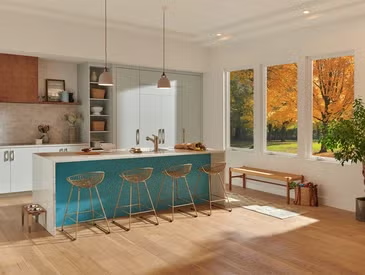
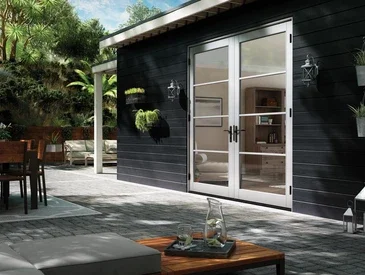
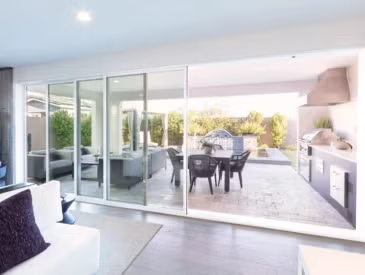
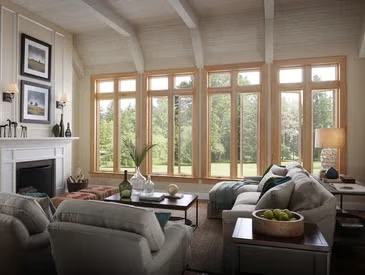
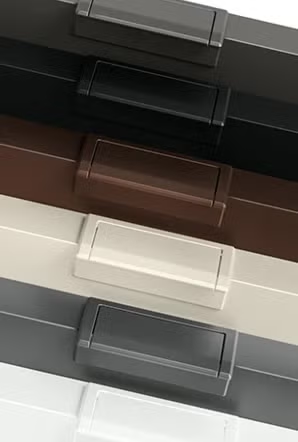
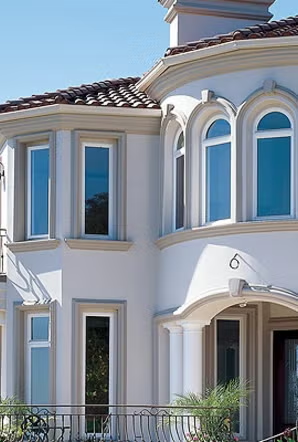
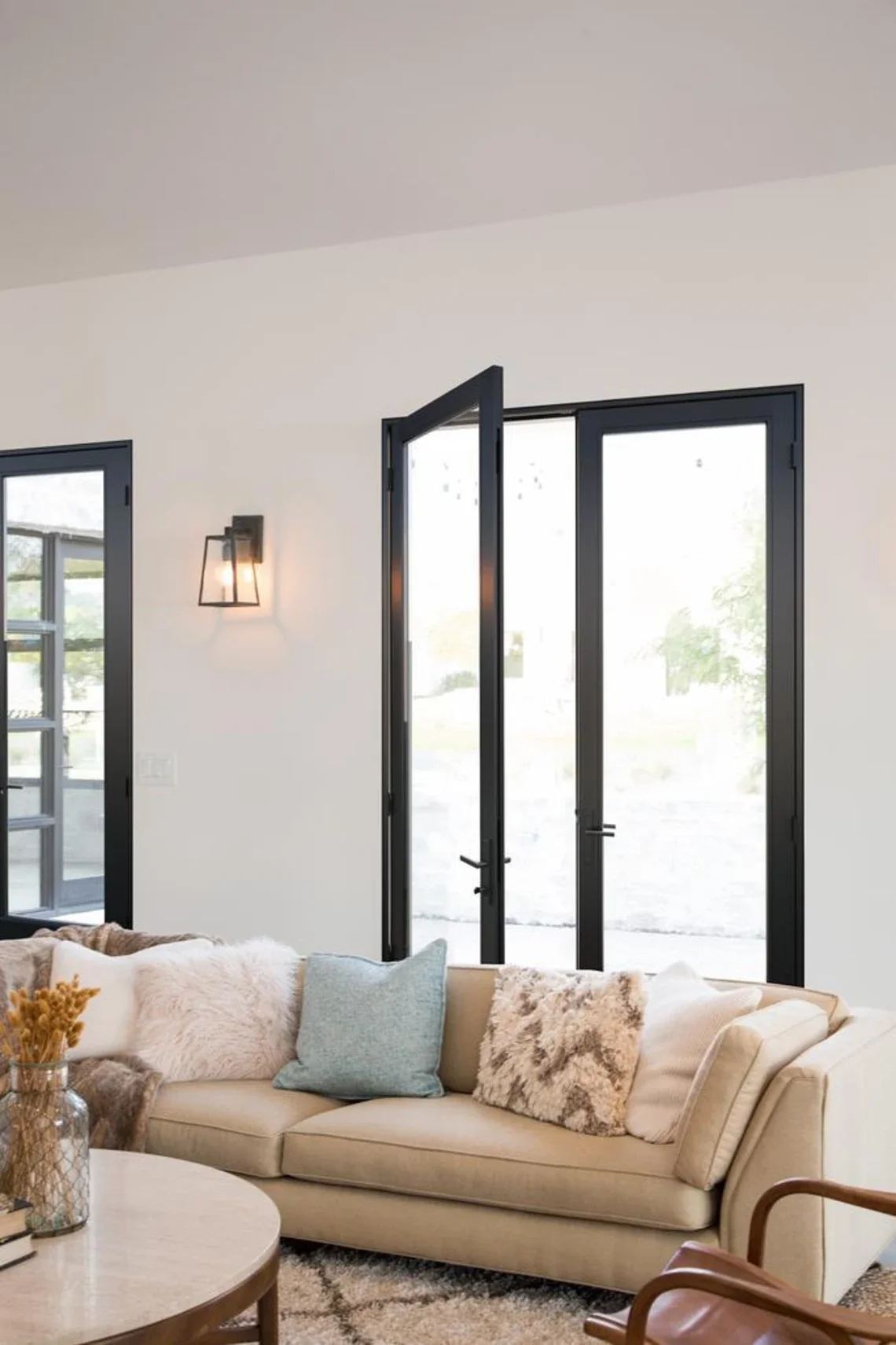
These windows are quite versatile and customizable, as they come in a variety of colors and finishes to match the interior and exterior of your home. Some common shades include black, white, steel gray, bronze, and bark.
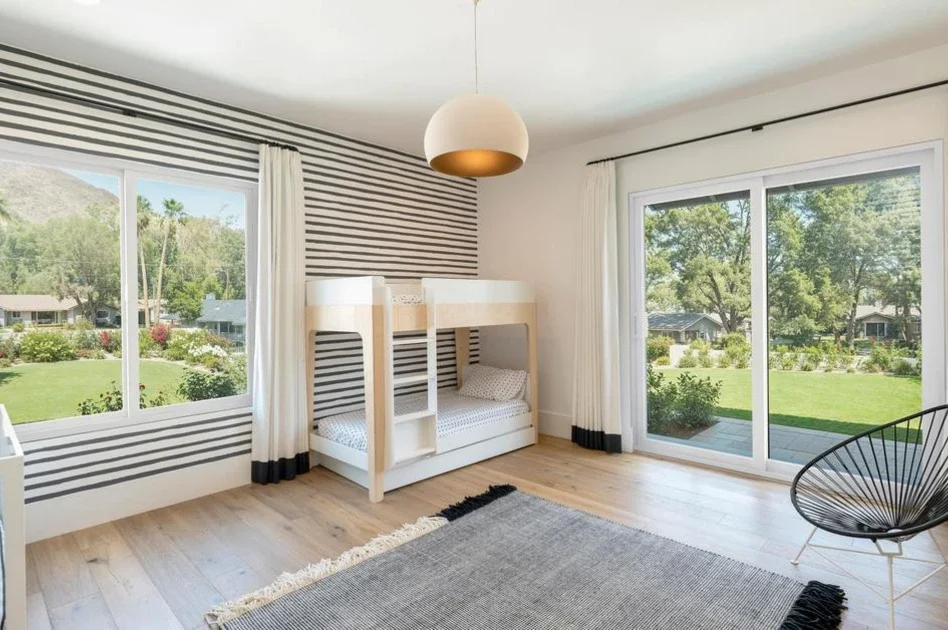
These windows are also available in various styles, such as picture, casement, awning, and single-hung. Furthermore, they come in many different sizes to accommodate your space. For instance, the picture window features a maximum size of 120’’ W x 72’ ’H.
Disadvantages of Fiberglass Windows
While there are certainly many benefits of fiberglass windows, there are a few limitations you should consider.
What are the negatives of fiberglass windows?
For one, they are more expensive than their aluminum and vinyl counterparts. They are a great investment, but the upfront costs can be steep. That said, it’s important to remember that you won’t have to worry about high maintenance costs, and you won’t need to replace them for many years, which helps offset the cost over time.
However, like all windows, these require professional installation. If installed incorrectly, they can be susceptible to drafts and water leaks, which can damage your structure and increase your energy bill. That said, as long as you partner with a professional to ensure proper installation, this shouldn’t be a problem.
Making an Informed Decision
While fiberglass windows have their fair share of advantages, ultimately, it’s up to you to decide which window material best accommodates you and your home. When you're exploring options for replacement windows or planning a new construction project, understanding the benefits of fiberglass gives you the confidence to make the right decision.
Here at MILGARD, we offer a collection of custom windows available in vinyl, aluminum, and fiberglass. Our team is eager to help you find high-quality windows that will suit your preferences, align with your budget, and most importantly, elevate your space.
Ready to get started? Explore your options today! Find a certified dealer near you.