


























Start Strong: Choosing the Right Materials After a Wildfire
Building for What Comes Next
Wildfires have reshaped communities across the West Coast, leaving homeowners with a daunting but meaningful task: rebuilding. From California to Washington, the recovery process is as much about planning for the future as it is about restoring the past. The materials you choose now will define how your home holds up for decades to come.
Fiberglass windows and doors have become a go-to option for fire rebuilds and there are plenty of reasons why. They offer exceptional durability, dimensional stability, and energy efficiency, all while meeting the increasingly rigorous building standards common in wildfire-prone regions.
Think of it as an opportunity to build smarter. The right materials don’t just restore your home; they make it more resilient, more comfortable, and more valuable.
Why Windows and Doors Matter More Than You’d Think
Windows and patio doors do a lot of heavy lifting during a wildfire event. They serve as protective barriers against radiant heat, wind, and airborne embers, which are the main causes of fire spreading into homes.
In regions west of the Rockies, where fire risk continues to climb, what’s framing your view can make a real difference.
Where MILGARD Comes In
MILGARD has spent decades engineering windows and doors for the specific demands of West Coast climates. Their fiberglass solutions blend high performance with thoughtful design, so homeowners don’t have to choose between a home that looks great and one that’s built to last.
The Strength Behind Fiberglass
A Material Built for Demanding Conditions
Fiberglass earns its reputation through performance. One of its standout qualities is dimensional stability, it expands and contracts at nearly the same rate as glass, which helps maintain a tight seal over time. That matters a lot in climates that swing between dry summers and wet winters, as many West Coast communities do.
Key advantages for homeowners rebuilding after a fire:
- Superior structural durability that holds up in harsh conditions
- Minimal maintenance compared to wood or aluminum alternatives
- Strong thermal performance that supports year-round energy efficiency
- Long-term reliability without the warping, rotting, or corrosion risks of other materials
Decades of Craftsmanship Behind Every Frame
MILGARD isn’t new to this. With decades in the industry, the brand has refined what high-performance windows and doors should be. These products meet modern building demands and still include the details homeowners care about.
Meet the C700 Fiberglass Series
MILGARD’s C700 Fiberglass Series represents the latest evolution in fiberglass window and door technology. Designed for both performance and contemporary aesthetics, it’s a strong choice for homeowners who want their rebuild to reflect the future, not just replace the past.
How Fiberglass Holds Up When It Matters Most
Resistant to Cracking, Warping, and Failure Under Heat
When a wildfire burns near a home, frames are put under extreme stress. Fiberglass is engineered to handle it. Its structural integrity under high temperatures means frames are far less likely to crack, warp, or compromise the seal of a window or door. This helps keep your home’s envelope intact when it matters most.
Staying Sealed When Heat Spikes
A window that warps under intense heat becomes a liability. Fiberglass frames retain their shape better than many alternatives, helping windows and doors stay properly aligned and functional even during prolonged exposure to high temperatures.
Fiberglass vs. Vinyl vs. Wood: A Quick Comparison
Not all window materials are created equal, especially when fire resilience is a factor.

Frame Material Performance in Fire-Prone Areas
| Material | Performance Profile |
|---|---|
| Fiberglass | Exceptional strength and dimensional stability; resists warping and cracking under heat; energy-efficient; low maintenance; ideal for fire rebuild projects. |
| Vinyl | Energy-efficient and affordable but may soften or deform under extreme heat. A real consideration in fire-prone areas. |
| Wood | Beautiful and traditional, but combustible and requires consistent up-keep. Less suited for wildfire-prone environments. |
Glass That Works as Hard as the Frame
A System, Not Just a Product
A window or door is only as strong as its weakest component. Frames, glass, and hardware all contribute to performance, which is why glazing choices are a critical part of any fire rebuild conversation.
Tempered Glass: Heat Resistance with Safety in Mind
Tempered glass is engineered to withstand significantly higher temperatures than standard glass. When it does break under extreme heat, it shatters into small, rounded fragments rather than large dangerous shards. For homeowners focused on safety and performance, it's a smart upgrade.
Dual-Pane Glass: Protection Plus Efficiency
Dual-pane glass adds an insulating layer that does double duty, slowing heat transfer during fire conditions while also improving year-round thermal performance. It's one of the most practical upgrades for anyone building with long-term comfort and energy savings in mind.
High Performance Doesn’t Mean Compromising Style
Designed for Modern Living and Expansive Views
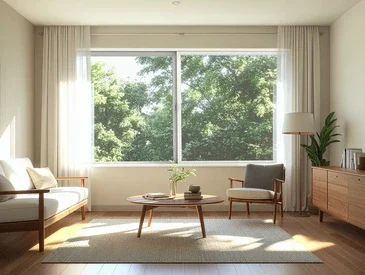
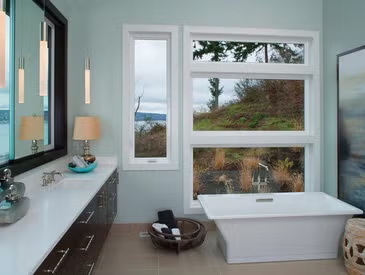
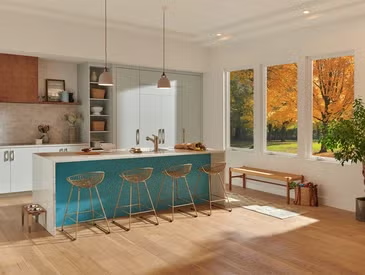
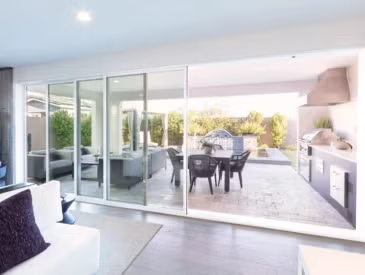
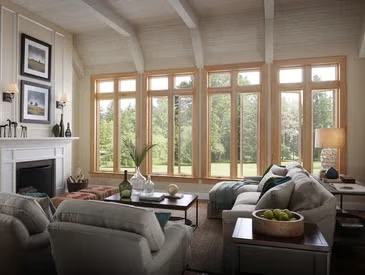
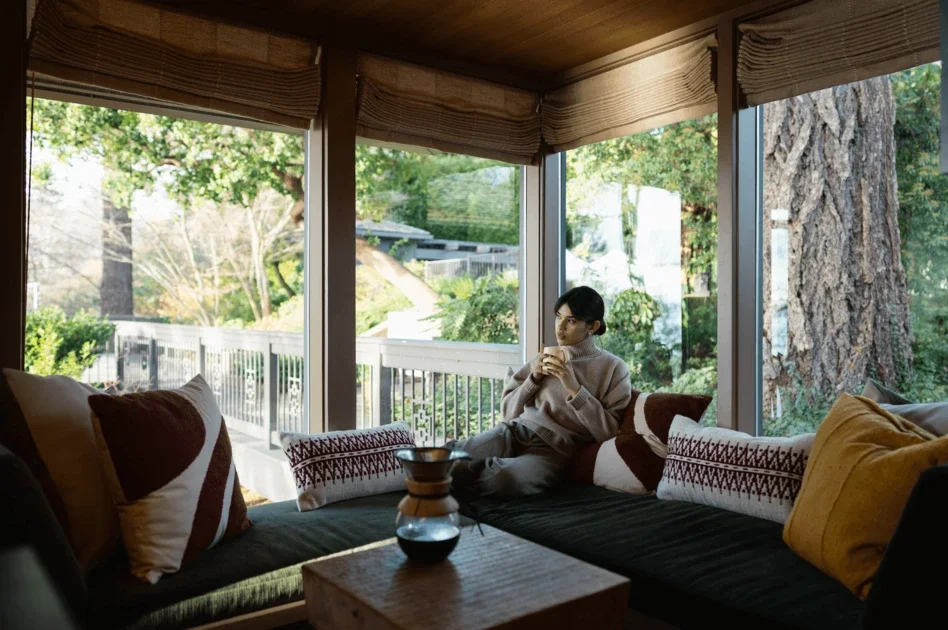
One of the quieter advantages of fiberglass: it supports larger glass areas without sacrificing structural integrity. That means homeowners can maximize natural light, frame panoramic views, and lean into the open, airy aesthetic that defines much of West Coast architecture, without compromise.
Timeless Appeal That Lasts as Long as the Frame
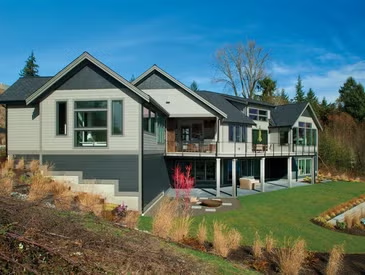
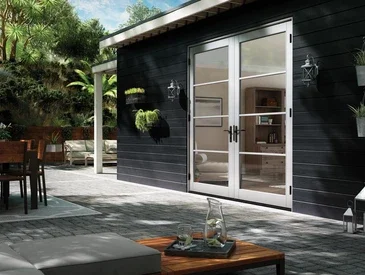
Clean lines, a range of finishes, and styles suited to everything from modern coastal homes to mountain retreats. MILGARD’s fiberglass products are built to complement a rebuilt home, not just fit into it. The result is a living space that feels lighter, more connected to the outdoors, and genuinely enduring.
Navigating Building Codes After a Fire
Chapter 7A, WUI, and Title 24: What You Need to Know
Rebuilding in wildfire-prone areas often comes with specific code requirements, and understanding them early can save significant time and headaches later. In California, Chapter 7A and Wildland-Urban Interface (WUI) standards set the bar for fire resilience, while Title 24 governs energy efficiency. Many other West Coast states have their own parallel requirements.
For windows and patio doors, compliance typically hinges on the right glass configurations and performance specs, not just the frame material. Getting this right early in the design process streamlines permitting and sets the home up for long-term comfort.
Configuring MILGARD Products for Compliance
The C700 Fiberglass Series can be configured to meet local code requirements when paired with the appropriate glass and professional installation. Working with a Certified MILGARD dealer takes the guesswork out of the process. They’ll help you identify which configurations align with your regional standards before anything gets ordered.
Rebuild with Confidence
A Fresh Start, Done Right
Recovering from a wildfire is hard. But the rebuild is a chance to do something most homeowners never get: a clean slate to make intentional, forward-thinking choices about how they live. Fiberglass windows and doors are one of the most impactful decisions you can make in that process, pairing resilience with efficiency and lasting design.
Explore MILGARD Fiberglass Solutions
Ready to see what’s possible for your fire rebuild project? Connect with a local MILGARD dealer or explore the C700 Fiberglass Series and other product lines designed for wherever you call home.